Geschreven door Dr. Magda Rall

Gereviewd door Kristel Mae David · Medisch beoordelaar
 Bijgewerkt op december 9, 2021
Alcoholisme behandelen
Behandeling alcoholisme
Wat is alcoholisme?
Alcoholisme heet nu stoornis in het gebruik van alcohol (AUD). De nieuwe term beschrijft nauwkeuriger een aandoening die verschillende stadia doorloopt, van alcoholtolerantie tot afhankelijkheid en verslaving. Alcoholisme draagt het sociale stigma van “zwaar drinken”, terwijl AUD (alcoholverslaving) de biologische neveneffecten van langdurig alcoholgebruik omvat.
Het National Institute of Alcohol Abuse and Alcoholism (NIAAA) definieert alcoholgebruiksstoornis (AUD) als een “medische aandoening die wordt gekenmerkt door een verminderd vermogen om het alcoholgebruik te stoppen of te beheersen ondanks nadelige sociale, beroepsmatige of gezondheidsgevolgen”.
Alcoholisme – alcoholverslaving – is een hersenaandoening die licht, matig of ernstig kan zijn. Mensen ontwikkelen een tolerantie voor alcohol die overgaat in afhankelijkheid en verslaving. Langdurig alcoholgebruik verandert de structuur en functie van uw hersenen en beschadigt de neurale paden, wat leidt tot veranderingen in de hersenchemie die jouw lichamelijk en geestelijk welzijn beïnvloeden.
Alcohol is giftig voor neurotransmitters, chemische signalen en elektrische impulsen in jouw hersenen die boodschappen doorgeven aan de rest van jouw lichaam. Langdurig alcoholgebruik veroorzaakt atrofie van de kleine hersenen (hersenkrimp), wat leidt tot ataxie, een onomkeerbare degeneratieve ziekte van het centrale zenuwstelsel.
Een alcoholverslaving behandeling bestaat uit een combinatie van medische detox, medicatie, psychotherapie en groepsondersteuningstherapie. Dit wordt gebruikt als onderdeel van een geïntegreerd verslavingsbehandelingsprogramma in een klinisch of poliklinisch centrum.
Wist je dat?
Wetenschappers en clinici gebruiken niet langer alcoholisme, alcoholist en alcoholmisbruik. De verslavingsgemeenschap is van deze termen afgestapt omdat er veel stigma’s en culturele vooroordelen aan kleven. De juiste woorden zijn “iemand met een stoornis in het gebruik van alcohol”.
Wat veroorzaakt een alcoholstoornis?
Een stoornis in het gebruik van alcohol (alcoholisme) wordt veroorzaakt door langdurig gebruik dat de chemie, de structuur en de functies van de hersenen verandert. Het kortetermijneffect van alcohol is bedwelming, waardoor jouw denken, voelen, beoordelen van situaties en gedrag verandert. De langetermijngevolgen van alcoholmisbruik zijn levensbedreigende lichamelijke en geestelijke gezondheidsproblemen.
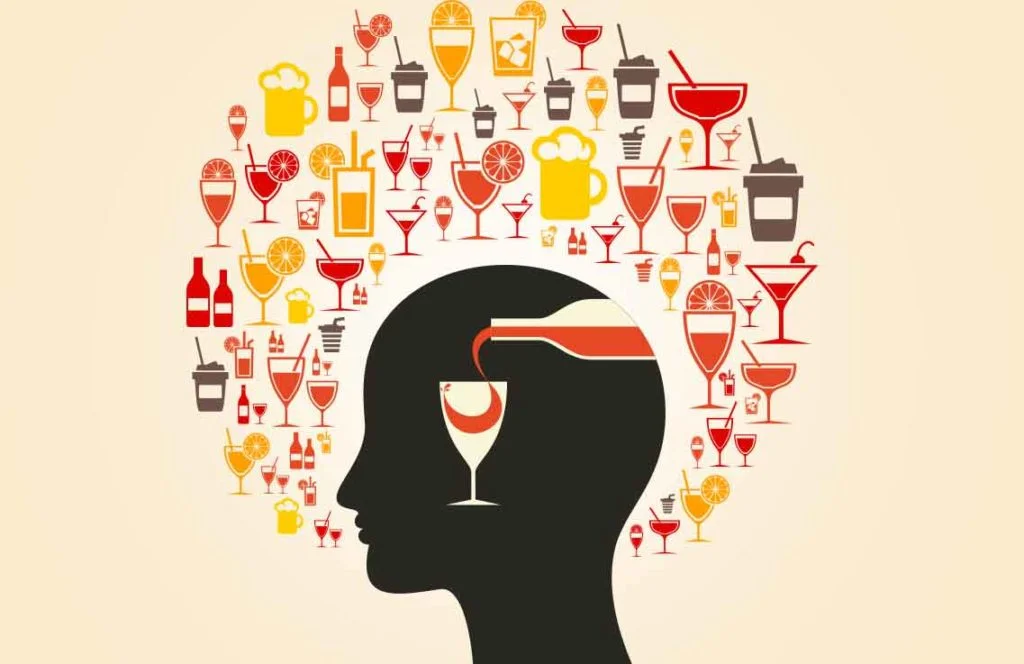
Alcohol blokkeert de chemische signalen (neuronen) tussen jouw hersencellen, wat bedwelming veroorzaakt. Symptomen van intoxicatie zijn onduidelijke spraak, trage reflexen, een slecht geheugen en impulsief gedrag. Alcohol is een depressieve stof en remt neuronen af, waardoor hun vermogen om chemische boodschappen en elektrische impulsen af te vuren, die informatie naar andere delen van jouw lichaam sturen, wordt vertraagd.
Wat veroorzaakt alcoholtolerantie?
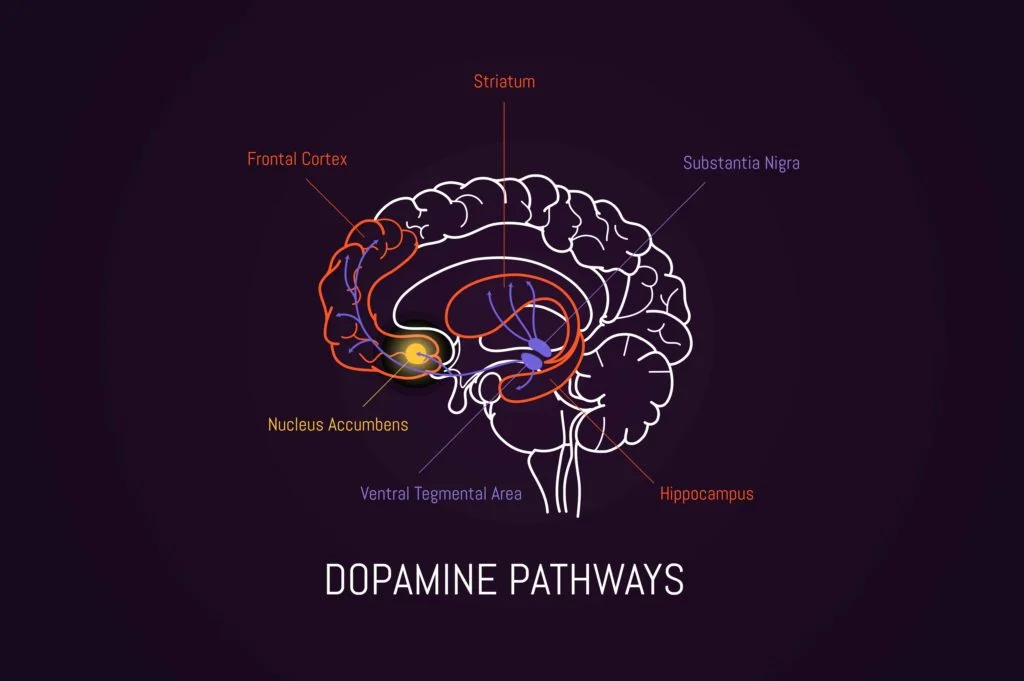
Als je drinkt, worden jouw beloningsbanen in de hersenen overspoeld met dopamine, wat een euforisch gevoel veroorzaakt. Jouw hersenen passen zich aan herhaald alcoholgebruik aan door neuronen af te sluiten, minder dopaminereceptoren te produceren en meer dopaminetransporteurs aan te maken om het teveel aan dopamine in de ruimtes tussen jouw hersencellen kwijt te raken.
Dit stadium van alcoholisme staat bekend als alcoholtolerantie, waarbij jouw centrale zenuwstelsel zich aanpast aan de dopaminestroom die op gang komt doordat de beloningswegen van jouw hersenen anticiperen op alcohol in jouw centrale zenuwstelsel.
Wat veroorzaakt alcoholisme?
Een waarschuwingsteken van alcoholafhankelijkheid is dat je matige tot ernstige ontwenningsverschijnselen ervaart als je minder of geen alcohol meer drinkt. In de tolerantiefase passen jouw hersenen zich aan de bijwerkingen van alcohol aan door het effect van dopamine op jouw hersenbanen te verminderen. Je drinkt vaker alcohol om hetzelfde resultaat te bereiken.
Alcohol is een depressieve stof. Het vertraagt de hersenfunctie en blokkeert de signalen tussen neuronen (hersencellen). Om het depressieve effect te compenseren, verhoogt jouw centrale zenuwstelsel de productie van stimulerende stoffen zoals serotonine en noradrenaline. Wanneer je mindert of stopt met alcohol, blijft jouw lichaam deze stimulerende stoffen produceren, en blijf je in een “opgewonden,” waakzame toestand. Dit proces wordt ervaren als onaangename en mogelijk levensbedreigende ontwenningsverschijnselen.
Wat veroorzaakt een stoornis in het gebruik van alcohol (verslaving)?
Langdurig gebruik van alcohol beschadigt de hersenen op verschillende manieren. Neurotoxiciteit zorgt ervoor dat neuronen doorbranden, en schade aan de hersenstof (wit en grijs) zorgt ervoor dat jouw hersenen krimpen. Deze veranderingen in de hersenchemie zijn onomkeerbaar na langdurig alcoholgebruik en veroorzaken permanente levensbedreigende lichamelijke en geestelijke gezondheidsproblemen..
Atrofie van het cerebellum (krimp van de hersenen) leidt tot ataxie van het cerebellum, een medische term voor “zonder coördinatie”. Ataxie tast de spiercontrole in jouw benen en armen aan en maakt het handhaven van jouw evenwicht en coördinatie moeilijk. Het beïnvloedt ook jouw spraak, oogbeweging, vingers en handen. Mensen met cerebellaire ataxie ontwikkelen een ‘alcoholgang’, gekenmerkt door een schuifelende tred en ongecoördineerde arm- en beenbewegingen.
Een alcoholgebruiksstoornis (verslaving) wordt gekenmerkt door permanente hersenbeschadiging, met name ernstige cerebellaire schade. Alcohol vernietigt verbindende hersenvezels, bekend als witte stof, die de kleine hersenen (cerebellum) verbinden met het centrale zenuwstelsel en de grote hersenen (hersenschors). Langdurig alcoholgebruik leidt tot chemische veranderingen, waardoor de normale functie in het striatum, dat de vrijwillige spierbeweging regelt, wordt aangetast.
Wist je dat?
Het National Institute of Alcohol Abuse and Alcoholism (NIAAA) definieert één standaarddrankje als:
- 355 milliliter gewoon bier (5 procent alcohol);
- 266 milliliter moutlikeur (7 procent alcohol);
- 148 milliliter niet versterkte wijn (12 procent alcohol);
- 44 milliliter 80-proof sterke drank (40% alcohol).
Hoe wordt een alcoholverslaving vastgesteld?
Iemand krijgt de diagnose stoornis in het gebruik van alcohol (AUD) als hij voldoet aan specifieke criteria die zijn vastgelegd in de Diagnostic and Statistical Manual of Mental Disorders (DSM-5). De ernst van de aandoening hangt af van het aantal van de elf criteria waaraan iemand voldoet. Je krijgt de diagnose AUD (alcoholverslaving) als je in 12 maanden aan twee van de elf criteria voldoet.
11 tekenen van een alcoholstoornis (alcoholisme):
- Je drinkt alcohol in grotere hoeveelheden of over een langere periode dan je van plan was.
- Je hebt een aanhoudend verlangen om het drinken van alcohol te verminderen of te stoppen, maar slaagt daar herhaaldelijk niet in.
- Je besteedt veel tijd aan het zoeken naar alcohol, het drinken van alcohol of het herstellen van de gevolgen ervan.
- Je hunkert naar alcohol of hebt een dwangmatige behoefte om alcohol te drinken.
- Herhaaldelijk alcoholgebruik leidt tot het niet nakomen van belangrijke verplichtingen op school, werk of thuis.
- Je blijft alcohol drinken ondanks aanhoudende of terugkerende sociale, financiële of relatieproblemen die door jouw drinkgewoonte worden veroorzaakt of verergerd.
- Je vermijdt of geeft het bijwonen van sociale, werk- of recreatieve activiteiten op vanwege alcoholgebruik.
- Terugkerend alcoholgebruik verlaagt jouw remmingen en brengt je in risicovolle, gevaarlijke situaties.
- Je blijft alcohol drinken hoewel je weet welke schade dit toebrengt aan jouw lichamelijk en psychisch welzijn.
- Je hebt een hoge alcoholtolerantie, zoals gedefinieerd door een van de volgende punten:
- een behoefte aan duidelijk grotere hoeveelheden alcohol om bedwelming of het gewenste effect te bereiken.
- een duidelijk verminderd effect bij voortgezet gebruik van dezelfde hoeveelheid alcohol.
- Je ervaart alcoholontwenningsverschijnselen als je minder of geen alcohol meer drinkt:
- het kenmerkende ontwenningssyndroom voor alcohol.
- alcohol of een nauw verwant middel wordt genomen om ontwenningsverschijnselen te verlichten of te voorkomen.
Bron: Psychology Today
De ernst van de AUD wordt ingedeeld in licht, matig of ernstig:
- licht: voldoet aan 2 tot 3 van de 11 criteria
- matig: voldoet aan 4 tot 5 van de 11 criteria
- ernstig: voldoet aan 6 of meer van de 11 criteria
Meer informatie: DSM-5 ǀ American Psychiatric Association
Tekenen en symptomen van alcoholisme
Langdurig alcoholgebruik heeft een schadelijk effect op jouw fysieke, mentale en emotionele welzijn. Niet alle alcoholverslaving symptomen zijn altijd even duidelijk. Daarnaast kunnen ze mild, matig of ernstig zijn en mogelijk levensbedreigend en fataal.
Bijwerkingen op korte termijn van alcoholverslaving (AUD)
- trillende, bevende handen;
- hoofdpijn;
- misselijkheid, overgeven;
- slechte reflexen, trage reactietijd;
- onduidelijke, langzame spraak;
- wazig zicht;
- slechte spiercoördinatie, struikelen, onvast lopen;
- geheugenverlies, black-out;
- grillig, riskant gedrag, verminderde remmingen;
- stemmingswisselingen;
- agressie, prikkelbaarheid, gewelddadig gedrag.
Bijwerkingen op lange termijn van alcoholverslaving (AUD)
- depressie, angst;
- tremoren;
- atrofie van de kleine hersenen (krimp van de hersenen);
- ataxie van de kleine hersenen (verlies van evenwicht en coördinatie);
- verminderd immuunsysteem;
- gastritis;
- diabetes;
- hartkwaal;
- beroerte;
- leverziekte;
- kanker (borst, lever, mond, darm).
Alcohol ontwenningsverschijnselen
Bij het starten van een behandeling voor alcoholverslaving spelen er afkickverschijnselen op. Alcoholontwenningsverschijnselen variëren sterk, afhankelijk van hoeveel je drinkt en of je alcoholafhankelijkheid hebt ontwikkeld. Alcoholschokken zijn een milde vorm van ontwenning, terwijl delirium tremens een ernstige vorm is die kan leiden tot levensbedreigende, zelfs fatale aanvallen.
3 tot 6 uur na jouw laatste alcoholische drankje
- hoofdpijn;
- trillende, bevende handen;
- angst, agitatie;
- misselijkheid, overgeven;
- zweten, opvliegers;
- kippenvel;
- slapeloosheid.
12 tot 48 uur na jouw laatste alcoholische drankje
- paranoia;
- hallucinaties;
- stemmingswisselingen, angst, depressie;
- oncontroleerbaar trillen, schudden;
- overvloedig zweten;
- hypertensie;
- toevallen.
48 tot 72 uur na jouw laatste alcoholische drankje
- delirium tremens (DT’s);
- wanen, hallucinaties;
- snelle hartslag;
- verwarring, desoriëntatie;
- hevig zweten;
- rillingen, koorts;
- hoge bloeddruk.
Kun je “cold turkey” gaan als je een chronische drinker bent?
Nee, het is gevaarlijk om cold turkey te stoppen met alcohol drinken als je een chronische verslaving hebt. Plotselinge alcoholstilstand (SAC) treedt op wanneer jouw lichaam in shock raakt door het gebrek aan alcohol. Het syndroom treedt op in de vroege stadia van alcoholontwenning en kan een levensbedreigende, zelfs fatale gebeurtenis zijn.
Ernstige gevolgen van SAC zijn onder andere:
Delirium tremens
- verward, gedesoriënteerd;
- hallucinaties;
- zeer geagiteerd, rusteloos;
- extreem gevoelig voor geluid en licht;
- zeer slaperig, coma-achtige toestand;
- toevallen.
Hartklachten of hartfalen
- onregelmatige hartslag;
- versnelde hartslag;
- hartritmestoornissen;
- hartstilstand.
Wist je dat?
De uitdrukking “cold turkey” beschrijft het kippenvel dat iemand met alcoholverslaving krijgt als hij minder of abrupt stopt met alcohol drinken en alcoholonttrekkingsverschijnselen ervaart. Jouw huid ziet eruit als de hobbelige huid van een koude kalkoen in de koelkast. Wanneer je start met een behandeling aan alcoholisme in een afkickkliniek, dan kom je terecht in een veilige omgeving.
Hoe wordt een stoornis in het gebruik van alcohol (alcoholisme) behandeld?
Een stoornis in het gebruik van alcohol (alcoholisme) is een behandelbare geestelijke gezondheidstoestand. Een behandeling van alcoholisme richt zich niet alleen op het stoppen met drinken, maar ook op het aanpakken van de onderliggende oorzaken en ontwikkelen van gezonde copingmechanismen. Hoe eerder je hulp zoekt voor alcoholverslaving, hoe beter. Jouw beste kans op herstel van alcoholverslaving is deelname aan een geïntegreerd behandelingsprogramma in een klinische of ambulante faciliteit. Een geïntegreerde aanpak omvat medische detox, medicatie voor ontwenningsverschijnselen, psychotherapie en groepsondersteuning.
- Medische detox: Medische detox in een ziekenhuis wordt aanbevolen om je te helpen met de onaangename, levensbedreigende ontwenningsverschijnselen van alcohol. Jouw lichaam kan tijdens het alcohol afkickproces in een toxische shock raken. Je wordt zorgvuldig gecontroleerd en krijgt medicijnen om de symptomen te verlichten, terwijl jouw lichaam hard werkt om zich te ontdoen van gif- en afvalstoffen na langdurig gebruik van alcohol.
- Medicatie: Medicatie is vaak nodig om je te helpen met ernstige ontwenningsverschijnselen van alcohol om te gaan, aanvallen te voorkomen en gifstoffen uit jouw systeem te zuiveren. Meestal krijgen patiënten benzodiazepinen zoals valium, Ativan of Librium. Anti-convulsiva worden gebruikt om het risico op fatale aanvallen te verminderen. Benzodiazepinen zijn zeer verslavend; de arts zal jouw inname nauwlettend in de gaten houden, en je wordt er na de alcohol afkick vanaf gehaald.
- Psychotherapie: Psychotherapie – gesprekstherapie – maakt deel uit van een uitgebreid behandelplan voor een stoornis in het gebruik van cocaïne in een klinische of poliklinische verslavingszorginstelling. Cognitieve gedragstherapie (CGT) is een van de meest populaire gesprekstherapiemethoden voor de behandeling van stoornissen in middelengebruik. Het richt zich op iemands gedrag en hoe hij denkt, voelt en zichzelf ziet ten opzichte van de wereld om hem heen. CGT onderzoekt de relatie tussen jouw overtuigingen, gedachten, gevoelens en gedrag en de scheiding tussen wat je wilt en doet in bepaalde omstandigheden (triggermomenten).
Andere populaire psychotherapiemethoden zijn:
Psychodynamische therapie
Psychodynamische therapie richt zich op hoe bepaalde relaties en levensgebeurtenissen jouw huidige gevoelens, keuzes en gedrag beïnvloeden. Het doel is je te helpen onderdrukte emoties en negatieve gevoelens te begrijpen en te erkennen en interne mentale conflicten op te lossen om jouw gevoel van eigenwaarde, relaties en kwaliteit van leven te verbeteren.
Dialectische gedragstherapie (DBT)
DBT is vergelijkbaar met CGT, maar het doel is mensen copingvaardigheden aan te reiken om hun emoties te reguleren, betere keuzes te maken, stress te hanteren, relaties te verbeteren en hun levenskwaliteit te verhogen. DBT werd aanvankelijk ontwikkeld voor de behandeling van borderline persoonlijkheidsstoornis en wordt nu gebruikt voor de behandeling van diverse psychische aandoeningen, waaronder stoornissen in middelengebruik.
Humanistische/experientiële therapie
Humanistische therapie richt zich op de hele persoon en zijn aard in plaats van op zijn gedrag. Het doel is om positieve eigenschappen te identificeren en het vermogen tot genezing, groei en zelfactualisatie te stimuleren door zelfonderzoek. Humanistische therapie is effectief voor mensen met depressie, angst, paniekstoornissen, een laag zelfbeeld en zelfbeschadigende neigingen.
Wil je weten waar jij staat? Doe de zelftest — of neem contact met ons op.
Je hoeft dit niet alleen te doen.
Deel


Medicijnverslaving: Soorten, Symptomen en Veilig Afbouwen
Medicijnverslaving is het afhankelijk raken van voorgeschreven of vrij verkrijgbare medicatie, waarbij tolerantie, lichamelijke afhankelijkheid en controleverlies ontstaan. Het begint bijna altijd op recept, niet door illegaal gebruik. De medicijnen die het vaakst tot afhankelijkheid leiden zijn benzodiazepinen en slaapmiddelen, opioïde pijnstillers, en in mindere mate ADHD-medicatie. Volgens cijfers van het Trimbos-instituut gebruikte in 2024 […]
Lees Meer
Cannabisverslaving: Symptomen, Gevolgen en Behandeling
Cannabisverslaving, in de DSM-5 officieel een cannabisgebruiksstoornis, ontstaat wanneer regelmatig blowen leidt tot controleverlies, hunkering en doorgaand gebruik ondanks negatieve gevolgen. Wanneer ben je verslaafd aan wiet? Volgens het Trimbos-instituut gebruikte in 2025 ruim 7 procent van de volwassen Nederlanders het afgelopen jaar cannabis en blowt bijna 1,5 procent dagelijks. Cannabis is daarmee na alcohol […]
Lees Meer
Hersenchemie en verslaving: wat gebeurt er in je brein?
Hersenchemie en verslaving hangen onlosmakelijk samen. Een verslaving is geen kwestie van zwakke wilskracht, maar een aandoening waarbij verslavende middelen of gedragingen het beloningssysteem, het stresssysteem en de zelfcontrole van de hersenen veranderen. De neurotransmitter dopamine speelt daarin een sleutelrol. Het goede nieuws: deze hersenveranderingen kunnen aanzienlijk verbeteren. Met de juiste behandeling en langdurige onthouding […]
Lees Meer